
GMP Requirements for Ultrapure Water in Pharmaceuticals
When you work in pharmaceutical manufacturing Lab water, you know ultrapure water isn’t just a resource—it’s a critical component that affects product safety and efficacy. Meeting GMP requirements means controlling chemical, microbial, and endotoxin levels with precision. You’ll need to understand how to maintain and monitor these standards consistently, or risk compromising your entire process. But what exactly does that entail in practice?

The Importance of Ultrapure Water in Pharma Manufacturing
Ultrapure water plays a critical role in pharmaceutical manufacturing, ensuring the safety and efficacy of your products. When you use ultrapure water, you eliminate contaminants that could compromise drug quality or patient health.
It acts as a clean, reliable foundation for formulations https://laballiance.com.my/, cleaning processes, and equipment rinsing, preventing unwanted chemical or microbial interference.
By maintaining ultrapure water standards, you gain control over your production environment and protect your brand’s integrity. You have the freedom to innovate confidently, knowing your water source supports consistent, high-quality results.
Prioritizing ultrapure water isn’t just about compliance—it’s about empowering your operations to meet strict demands while safeguarding those who rely on your medications every day.
How Does GMP Define Ultrapure Water Quality Standards?
Although water purity standards can vary across industries, GMP outlines specific criteria to ensure water used in pharmaceutical processes meets the highest quality requirements.
You’ll find that GMP defines ultrapure water by stringent limits on microbial content, chemical impurities, and endotoxins. It requires continuous monitoring of parameters like conductivity, total organic carbon (TOC), and bacterial counts to guarantee consistency.
You must also adhere to validated testing methods and maintain detailed documentation to prove compliance. This framework protects both product integrity and patient safety by minimizing contamination risks.
Best Practices for Producing Ultrapure Water
Meeting GMP’s strict water quality standards starts with implementing effective production methods. You’ll want to use multi-stage purification systems like reverse osmosis combined with deionization and ultrafiltration.
Regularly maintaining and validating each step ensures consistent ultrapure water quality. Automate monitoring to catch deviations early and adjust processes swiftly.
Choose materials that resist contamination and corrosion to keep your system reliable. Don’t overlook system design—smooth piping and minimal dead legs reduce microbial buildup.
Train your team thoroughly, so everyone understands the importance of process integrity. By mastering these practices, you gain control over water purity without unnecessary complexity, giving you the freedom to focus on what truly matters: producing safe, compliant pharmaceuticals efficiently and confidently.
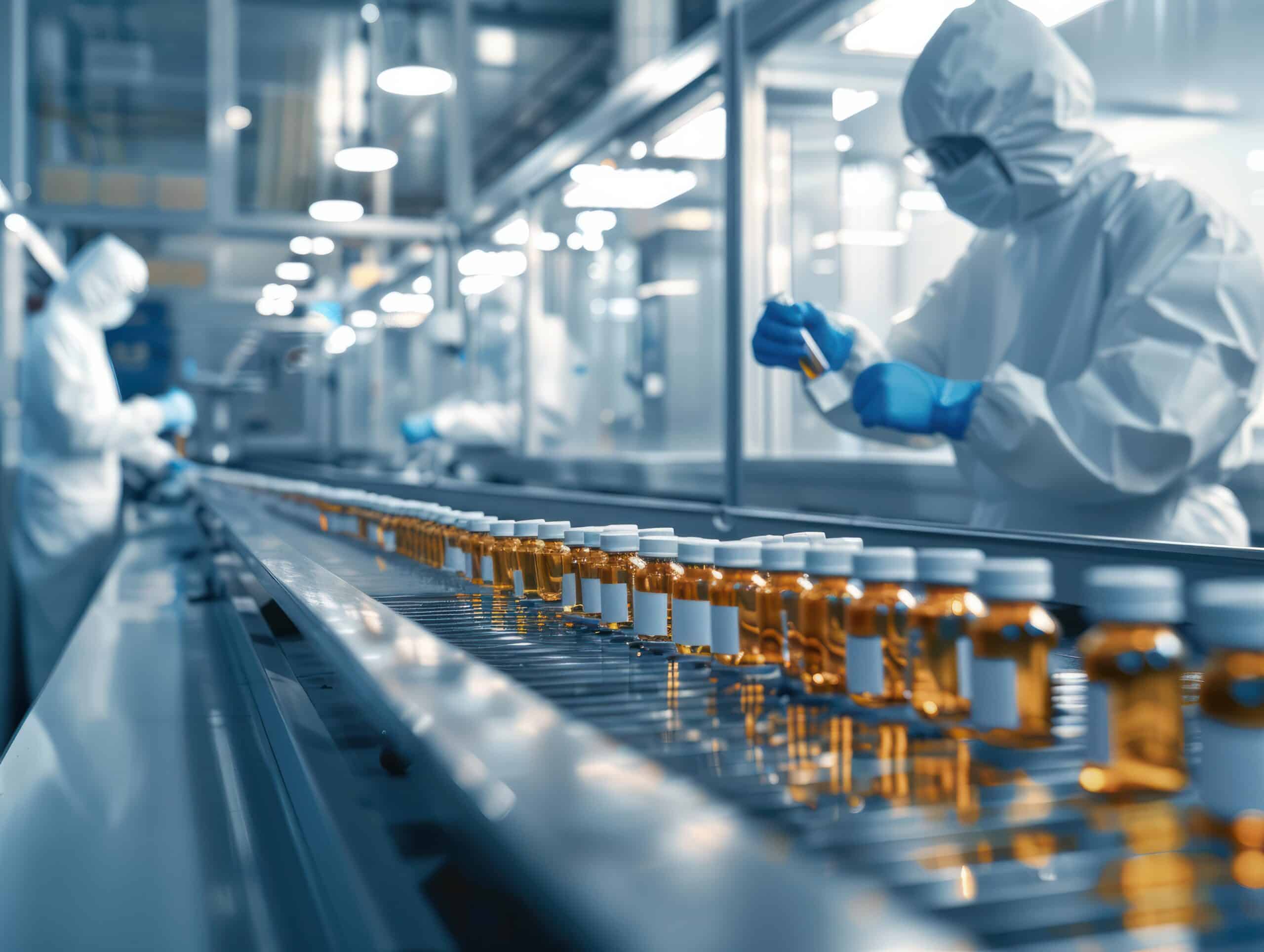
Preventing Ultrapure Water Contamination During Storage and Distribution
You’ll often find that contamination risks increase once water leaves the purification system, making proper storage and distribution crucial.
To keep your ultrapure water truly pure, you need to control every step after purification, ensuring no unwanted microbes or particles sneak in. Focus on these key actions:
- Use materials like stainless steel or high-grade polymers for storage tanks and piping to prevent corrosion and biofilm formation.
- Maintain a closed-loop distribution system to minimize exposure to the environment and reduce contamination chances.
- Implement regular cleaning and sanitization protocols to remove deposits and microbial growth before they compromise water quality.
Monitoring and Validating Ultrapure Water Compliance
Regularly monitoring and validating ultrapure water ensures it meets stringent quality standards essential for your processes.
You need to establish clear testing schedules, focusing on parameters like microbial content, conductivity, and TOC levels.
Using automated systems with real-time data gives you the freedom to detect deviations promptly and act before issues escalate.
Validation isn’t just a one-time step; it’s an ongoing commitment.
Document every test and calibration meticulously to prove compliance and support audits effortlessly.
Embrace modern analytical tools that streamline validation, letting you maintain control without unnecessary complexity.
Conclusion
You need to prioritize ultrapure water quality to meet GMP standards, ensuring your pharmaceutical products stay safe and effective. By following validated testing methods, continuous monitoring, and maintaining your purification systems rigorously, you’ll prevent contamination and biofilm formation. Keep detailed records and perform regular maintenance to stay compliant. Ultimately, your commitment to these best practices safeguards patient health and upholds your product’s integrity throughout manufacturing and distribution.
- June 17, 2026
