
From Basics to Advanced Skills in a Dog Grooming Course
A dog grooming course begins with essential tools like clippers, scissors, and breed-specific brushes. It teaches basic skills such as brushing, bathing, nail trimming, and ear cleaning, emphasizing safe handling to guarantee the dog’s comfort and safety Pet Grooming Course. Proper skin and coat care focuses on hygiene and moisture balance. Advanced training includes breed-specific cuts and styling that respect individual coat types and breed standards. Further exploration reveals techniques to refine grooming artistry and personalized care.

Must-Have Tools for Dog Grooming
When preparing for dog grooming, having the right tools is essential to guarantee efficiency and safety.
Essential items include quality clippers with adjustable blades for precise trimming, and sharp scissors for detail work.
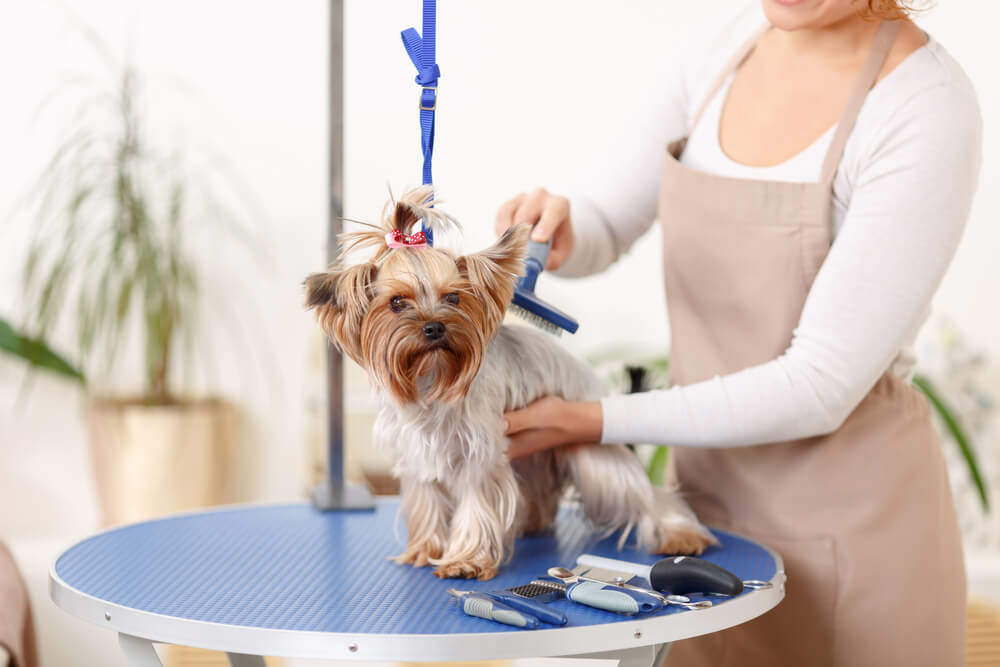
A sturdy, non-slip grooming table provides stability Cosmos Pet universe, allowing freedom of movement while handling the dog.
Brushes and combs suited to different coat types promote thorough detangling and skin health.
Nail clippers designed for dogs secure safe trimming without discomfort.
Ear cleaning supplies and gentle shampoos maintain hygiene without irritation.
Each tool plays a specific role, enabling groomers to work confidently and effectively.
Selecting reliable equipment empowers individuals to groom dogs comfortably, fostering independence and skill without depending on external assistance.
Proper tools are the foundation of a seamless, enjoyable grooming experience.
Basic Dog Grooming Techniques for All Breeds
Across all dog breeds, mastering fundamental grooming techniques guarantees the animal’s comfort, cleanliness, and health.
Basic grooming begins with regular brushing to remove loose fur and prevent matting, tailored to coat type and length.
Bathing, using gentle shampoos suitable for dogs, maintains skin hygiene without stripping natural oils.
Nail trimming is essential to avoid discomfort and mobility issues, requiring careful attention to avoid cutting too close to the quick.
Ear cleaning prevents infections by removing debris and moisture buildup.
Additionally, dental care through routine brushing supports overall health.
These core practices, when consistently applied, foster well-being and enhance the bond between dog and caretaker.
Emphasizing these techniques empowers groomers to provide effective care across all breeds while respecting each dog’s individuality.
Safe Handling During Dog Grooming Sessions
How can groomers make certain safety and comfort throughout the grooming process? Professional groomers prioritize calm, confident handling to assure dogs feel secure yet unrestricted.
Proper restraint techniques balance control with freedom, preventing injury while allowing natural movement. Observing each dog’s behavior helps identify stress signals early, allowing adjustments that maintain comfort.
Equipment should be used thoughtfully—non-slip surfaces and ergonomic tools reduce risk and enhance ease. Groomers also maintain clear communication, ensuring dogs experience minimal confusion or fear.
Safe handling respects the animal’s autonomy, fostering trust and cooperation. By mastering these practices, groomers create an environment where safety and comfort coexist, supporting both the dog’s well-being and the groomer’s effectiveness throughout every session.
Dog Skin and Coat Care Essentials
In maintaining a dog’s overall health, proper skin and coat care plays a crucial role. This guarantees the dog remains comfortable, vibrant, and free from common dermatological issues. Groomers must focus on nourishing the skin and maintaining the coat’s natural shine without restricting the dog’s natural expression or movement.
Essential practices include:
- Regular brushing to remove dirt, loose hair, and prevent matting
- Bathing with gentle, pH-balanced shampoos suited to the dog’s skin type
- Inspecting for parasites, irritations, or infections during grooming sessions
- Applying conditioners or skin treatments when necessary to maintain moisture balance
These essentials support a dog’s freedom to express its natural beauty while promoting lasting skin and coat health.
Advanced Dog Grooming Styles and Breed Cuts
With a deep understanding of breed standards and individual coat types, advanced dog grooming styles and breed cuts require skillful techniques that enhance a dog’s natural features while adhering to specific aesthetic guidelines. This level of grooming emphasizes precision in shaping and sculpting coats to highlight breed characteristics, such as the distinctive lion cut for Pomeranians or the show clip for poodles.
Groomers must balance creativity with tradition, respecting each breed’s unique texture, length, and growth patterns. Mastery in these styles allows for flexibility, enabling groomers to adapt cuts to the dog’s lifestyle and owner’s preferences while maintaining breed integrity. This expertise offers freedom to personalize grooming without compromising the dog’s health or appearance, elevating grooming from routine care to an art form.
Conclusion
Mastering dog grooming requires a blend of essential tools, foundational techniques, and careful handling to guarantee the well-being of all breeds. Understanding skin and coat care is vital for maintaining a dog’s health and appearance. Progressing to advanced styles and breed-specific cuts enhances grooming proficiency and creativity. A thorough dog grooming course equips individuals with the knowledge and skills necessary to provide professional, safe, and effective grooming services, benefiting both groomers and their canine clients.
- February 17, 2026
