
Best Practices for Foot Care in Active Lifestyles
Active individuals should perform daily skin checks for blisters, fungal changes, and tissue integrity. Use moisture-wicking liners and socks, change damp layers promptly mobile podiatrist perth, and apply friction-reducing balms to high-shear zones. Select properly sized shoes with activity-appropriate support and replace them based on wear. Maintain hygiene, trim nails straight, manage callus conservatively, and use basic sterile tools. For acute issues, stabilize, reduce load, and begin progressive rehab. The following guidance expands on prevention, self-care, and referral thresholds.
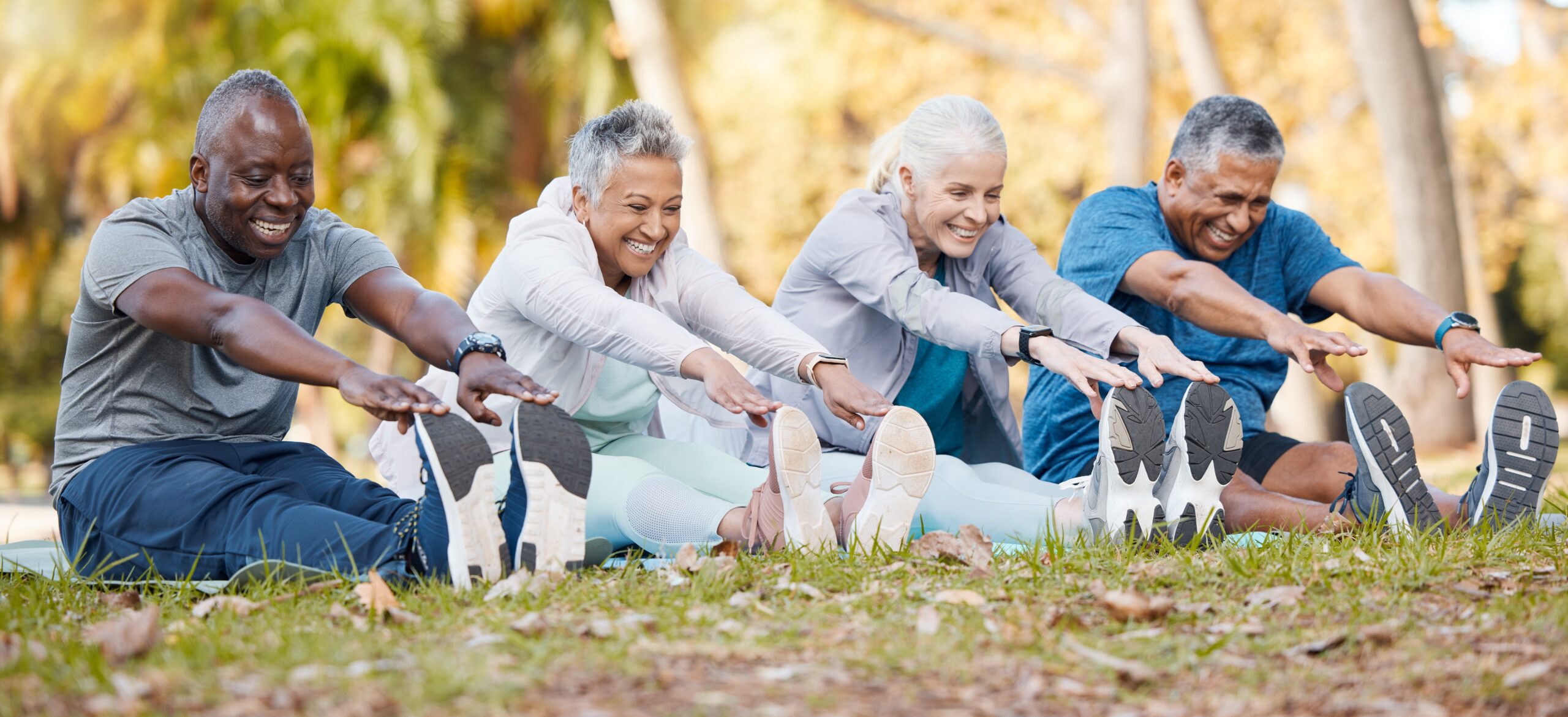
Prevent Common Foot Problems Fast: Daily Habits That Stop Blisters, Heel Pain, and Fungal Issues
Regularly adopting simple preventive measures can markedly reduce the incidence of blisters, plantar heel pain, and fungal infections among active individuals. The clinician-recommended routine emphasizes daily skin inspection, targeted hygiene, and strategic moisture control to preserve tissue integrity and reduce pathogen growth.
Use moisture wicking liners to limit maceration and reduce fungal load; change liners and socks promptly when damp. Apply friction reducing balms to high-shear areas before activity to decrease epidermal disruption and blister formation.
Integrate short stretching protocols and conservative heel-loading modifications to mitigate plantar stress without limiting mobility People Podiatry. Preserve autonomy by choosing low-intervention, evidence-based tactics that maintain function. Seek prompt evaluation for persistent pain, recurrent blisters, or dermatologic changes to prevent progression and preserve activity freedom.
Choose the Right Shoes and Socks for Your Activity and Foot Shape
Select footwear and socks that match the activity-specific demands and the individual’s foot morphology to optimize biomechanics and reduce injury risk. Clinicians recommend Proper sizing to allow toe splay, adequate arch support, and heel containment. Material selection focuses on moisture-wicking, breathable fabrics and sole compounds that balance cushioning with ground feedback. Fit assessments, gait analysis, and pressure mapping guide choices for pronation, supination, or neutral alignments. Socks should reduce shear, control moisture, and complement shoe volume. Replacement cycles depend on mileage and material degradation. Selection empowers mobility while minimizing overuse injuries; evidence supports individualized prescriptions over generic trends. Practical pairing of shoe category and sock type simplifies choices for an active, unrestricted lifestyle.
| Shoe Type | Recommended Sock |
|---|---|
| Running | Lightweight, moisture-wick |
| Hiking | Cushion, abrasion-resistant |
| Court sports | Low-profile, supportive |
Keep Feet Healthy at Home: Hygiene, Nails, Callus Care, and Simple Tools to Use
At home, routine foot care focuses on hygiene, nail maintenance, callus management, and the use of basic tools to prevent infection and preserve function. Regular washing with mild soap and thorough drying, particularly between toes, reduces microbial load; application of moisture barriers in areas prone to maceration prevents skin breakdown.
Nails should be trimmed straight across with clean clippers, avoiding aggressive digging; filing smooths edges to minimize ingrown nail risk. Calluses respond to graded debridement using a pumice stone or foot file after soaking, followed by emollient application to maintain pliability.
Simple tools—sterilized clippers, pumice, emery boards, toe spacers and nonmedicated creams—support autonomy. Seek professional assessment for persistent lesions, bleeding, or neuropathic symptoms to avert complications.

Treat Minor Injuries and Pain: Immediate First Aid, At-Home Rehab, and When to Modify Activity
Routine home foot care reduces risk of injury, but minor trauma and overuse pain still occur and require prompt, evidence-based responses to limit tissue damage and preserve mobility.
Immediate first aid emphasizes stabilization, controlled load reduction, analgesia, and hygiene. Clinicians increasingly recommend RICE alternatives—protection, appropriate loading, ice for symptom control, compression, and elevation—as practical strategies tailored to injury type.
At-home rehabilitation focuses on progressive range-of-motion, graded strengthening, proprioception, and flexibility to restore function while minimizing recurrence. Pain tracking with simple logs guides progression decisions and identifies worsening patterns requiring modification.
Activity modification principles prioritize short-term reductions in intensity, cross-training options that maintain fitness, and gradual return-to-activity based on symptom-free milestones. Clear goals preserve independence and reduce long-term limitation.
When to See a Podiatrist or Physical Therapist and What Information to Bring
When persistent pain, progressive swelling, functional loss, neurovascular changes, or failure to improve after a brief trial of home care occur, referral to a podiatrist or physical therapist is indicated to prevent chronicity and guide targeted treatment.
The clinician evaluates risk factors, biomechanics, and goals; patients seeking autonomy benefit from timely, focused assessment. Prioritize concise documentation of Medical history and a clear Symptom timeline to accelerate diagnosis and shared decision-making.
- Bring concise records: recent imaging, prior treatments, medications, allergies, and relevant Medical history.
- Present a precise Symptom timeline: onset, triggers, progression, aggravating/relieving factors, and response to self-care.
- State goals and constraints: activity aims, timeframes, equipment needs, and willingness for interventions to inform a practical plan.
Conclusion
To summarize, evidence-based daily foot care, appropriate footwear and socks matched to activity and morphology, and routine hygiene and nail/callus management collectively reduce blisters, plantar heel pain, fungal infections and overuse injury risk. Prompt, protocol-driven first aid and graduated home rehabilitation mitigate symptom progression; activity modification is advised when pain persists. Refer to podiatry or physical therapy if conservative measures fail or red flags arise, supplying symptom chronology, prior treatments, footwear history and activity load data.
- May 8, 2026
